
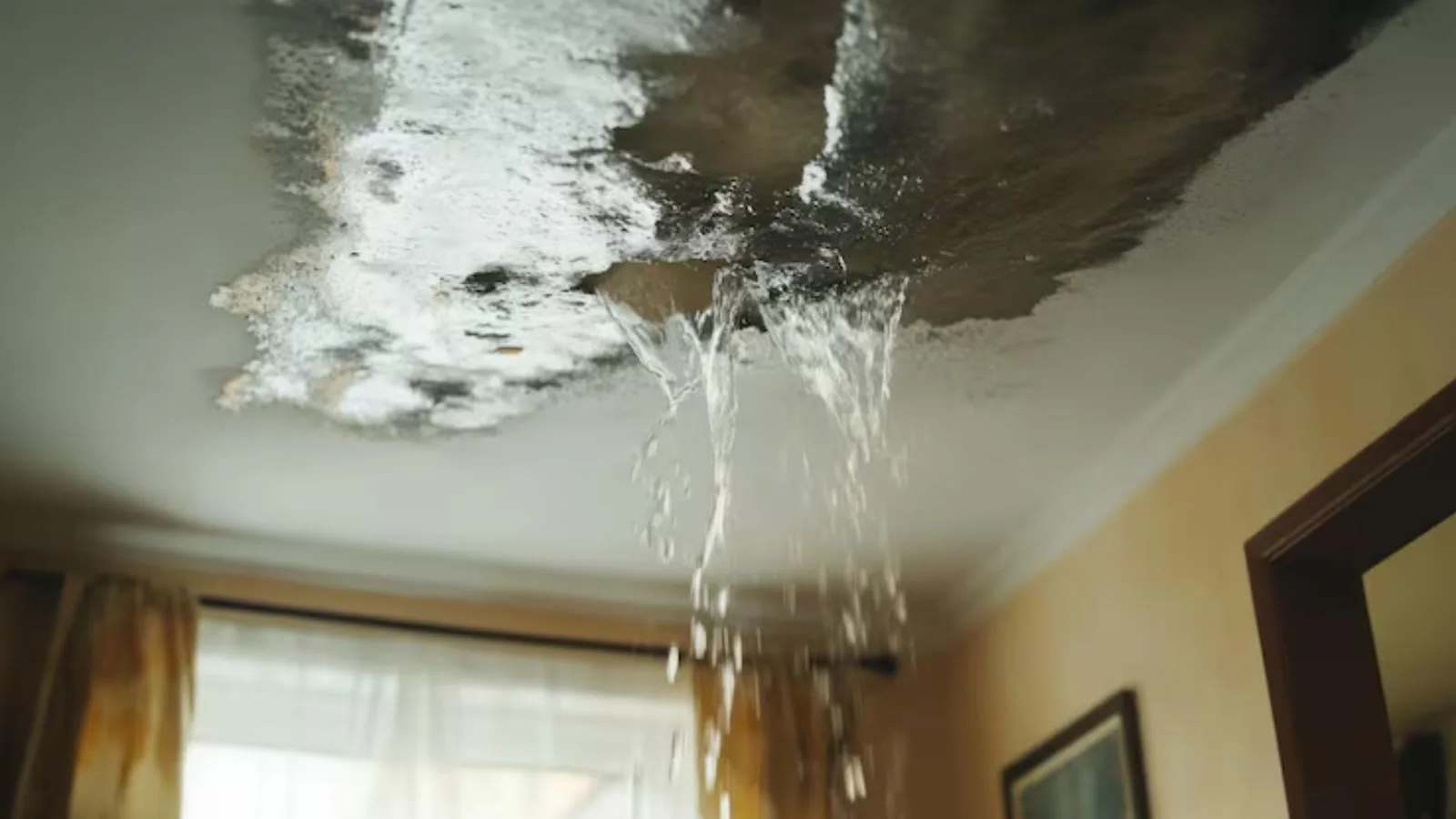
What bubbled paint is telling you
Paint bubbles when something pushes it off the surface. That something can be heat, poor surface preparation, humidity or water vapor moving through a wall. When the cause is moisture, the bubble is a blister of trapped water or vapor, and it will often return after you scrape and repaint.
This guide helps you work out whether the bubbles are cosmetic or a symptom, and what to do in each case. It does not replace an inspection, and a wall that is wet should be dried before anything else.
Water or paint failure?
A few clues help tell them apart.
| Clue | Points to moisture | Points to paint failure |
|---|---|---|
| Where it happens | Below a bathroom, near a window, below a roof line or on exterior walls. | Random spots, often where paint was applied thickly. |
| What is behind the bubble. | Damp drywall, stain on the back of the paint. | Dry drywall or primer. |
| Pattern | Follows a stain or a water path. | Even and scattered. |
| Smell | Musty | None |
| Return after repainting | Yes | Usually not |
A simple check
Pop a bubble and look at the back of the paint flake and the surface beneath. A stained, damp or gray surface means moisture. Clean, dry drywall suggests the paint was applied over dust, grease or a glossy surface, or that heat or humidity played a role.
A moisture meter gives a clearer answer, because it reads the wall instead of guessing. We use them on every assessment, and the readings are recorded so you can compare them over time.
When bubbles are really mildew or mold
Sometimes the surface under the paint tells the real story. Dark specks in a bubble, a greenish or black film on the back of a flake, or a smell that gets stronger when you open it all suggest growth. That means the moisture has been present for a while, and the wall should not be sanded or scraped dry.
Disturbing growth can spread it. Photograph the area, keep the room closed and call for an assessment if the affected patch is larger than a few inches.
Why repainting too soon backfires
New paint over a damp wall may look fine for a few weeks and then blister again. Primer and paint are thin films, and they cannot hold back steady moisture. Worse, a fresh coat hides the early warning signs that would have told you the problem was still active.
The sequence that works is to find the source, fix it, dry the wall until a meter shows normal readings, prime with a stain-blocking primer and then paint. Skipping any step usually means doing the whole job twice.
A note on older paint
Homes built before 1978 may have lead-based paint. Peeling or bubbling paint in an older East Haven house should be tested before it is sanded or scraped, because dust from lead paint is hazardous. Check EPA guidance on lead-safe work practices, and ask a qualified professional if you are unsure. We do not provide lead testing.
Why humidity and ventilation matter
Not all moisture comes from a leak. Steam from showers, cooking and drying clothes indoors can condense on cool surfaces, soak into paint and cause blistering over time. A bathroom without a working fan, or a fan that vents into the attic, is a frequent cause of peeling paint and mildew on ceilings.
If you rule out a leak, the fix may be ventilation. Run the fan during and after showers, keep doors open to let moist air out and make sure exhaust ducts lead outside the building.
Bubbling in specific places
Where the paint fails often shows the source.
- On a ceiling below a bathroom, check the tub or shower seal and the supply lines above.
- On an exterior wall, check gutters, siding, window flashing and caulking.
- Near the floor, check for plumbing leaks, grading problems or water entering at the foundation.
- Around a window, check for failed glazing or condensation running down the glass.
- On a chimney wall, check the flashing and the crown.
What to do
- Do not paint over the bubbles. Painting traps moisture and hides how far the damage goes.
- Look for the source: a leak above, a failing seal, condensation, or a plumbing wall behind the area.
- Stop the source if you find it, and dry the wall.
- Check for mold, but do not scrub or disturb dark spots.
- Take photos and measure the area, in case an insurance claim is involved.
- Once the wall is dry and the source is fixed, scrape, prime with a stain-blocking primer and repaint.
Common moisture causes behind bubbled paint
A bathroom without ventilation can push steam into walls and ceilings, and a missing exhaust fan is a classic cause. Roof leaks and flashing failures can push water down exterior walls. A slow leak in a supply line inside the wall can cause bubbling that grows along the pipe route.
If the bubbling is on a ceiling, the ceiling water damage page covers what sits above it. For walls, see wall and drywall water damage.
Permits and paint in East Haven
The Town of East Haven publishes permit guidance for one and two family homes. Painting and wallpapering do not need a building permit. Installing plumbing supply, drain, waste or vent lines does, and so does installing or moving electrical wires. So repainting after a dry wall is straightforward, but if the moisture source turns out to be a plumbing repair, check with the Building Department at 203-468-3216.
Source: the East Haven Building Department permit guidance page.
Further reading on bubbled paint and water damage: Connecticut Department of Public Health, Town of East Haven, EPA guidance on mold and moisture. Industry practice for water work follows the ANSI/IICRC S500 standard and for mold work the S520 standard.
Questions homeowners ask
Does painting in East Haven require a permit?
The town's guidance for one and two family homes lists painting as work that does not need a permit. Always confirm with the Building Department at 203-468-3216 if you are unsure.
Can I just scrape and repaint?
Only if the wall is dry and the moisture source is fixed. Otherwise the bubbles tend to return.
Is bubbled paint dangerous?
The bubbles themselves are not, but the moisture behind them can lead to mold if left. Older paint may contain lead, so test before sanding.
How long should I wait to repaint after drying?
Until readings are normal. A professional can tell you when the wall has reached that level.
Do you serve nearby towns?
Yes, including New Haven and Woodbridge.
Bubbles keep coming back? Call to find the moisture source.
Call (833) 521-1033