
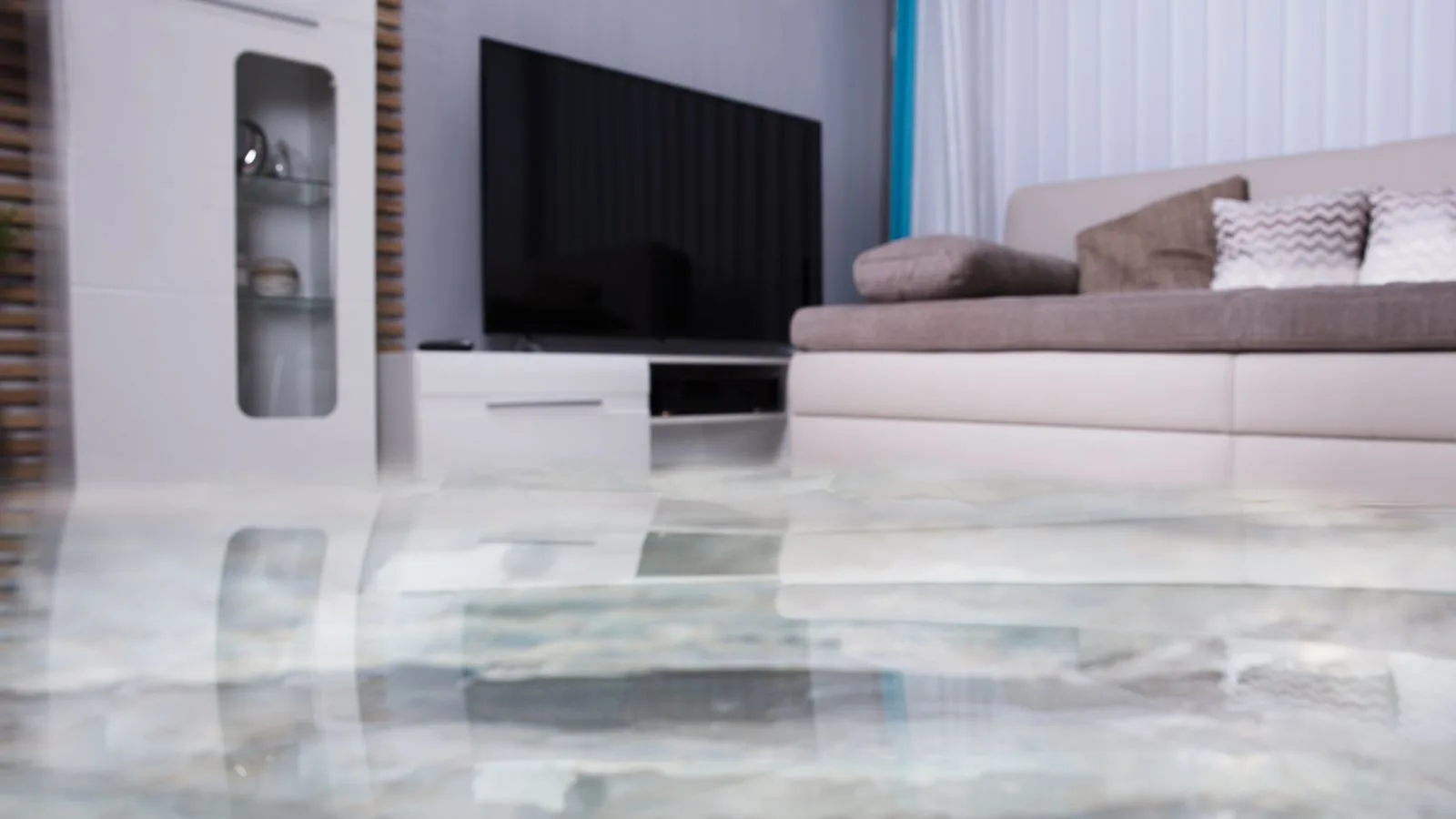
Storm water damage versus flooding
Storm water damage is the water that comes through the building envelope during a storm, through the roof, around windows, under doors or along damaged siding. It is different from flood damage, where rising water enters from outside at ground level. The distinction matters because the cleanup, the water category and the insurance coverage can differ.
If water came up from the ground or the shore, see flood damage cleanup. If it came in from above, this page and ceiling water damage repair apply.
East Haven storm history, from the record
East Haven has real storm history. The National Weather Service documents Irene on August 28, 2011, when Cosey Beach Avenue homes were heavily damaged, and Sandy on October 29, 2012, which set a record storm tide at New Haven of 12.3 feet above mean lower low water. A 2018 event pushed flooding along Cosey Beach Avenue from First Avenue to Phillip Street.
Not every storm is that severe. Most storm calls are rain through a roof or a window, a downed tree or lifted shingles. The cleanup steps are the same: make the home safe, extract water, dry it and document it.
Safety first after a storm
- Stay away from downed power lines and report them to the utility or 911.
- Do not enter rooms with standing water if outlets or appliances may be live.
- Cover openings if it is safe, using a tarp or plywood, and keep receipts.
- Photograph damage before cleanup.
- Call your insurer to report the claim.
- Call (833) 521-1033 for extraction and drying once it is safe.
Storm water entry points
| Entry point | Typical sign | Related page |
|---|---|---|
| Roof and flashing | Ceiling stain, wet attic insulation. | Ceiling water damage. |
| Windows and doors | Wet sills, baseboards and floors. | Wall and drywall damage. |
| Siding and walls | Stains on walls, peeling paint. | Structural drying |
| Basement window wells | Water on the basement floor. | Basement water damage. |
Temporary protection after a storm
After a storm, the priority is to stop more water from entering. A tarp over a damaged roof section, plywood over a broken window or sealant on an opening can keep a bad situation from getting worse. These are temporary measures, and they should be done only if it is safe, since wet roofs and downed lines are dangerous.
Keep receipts for temporary protection, because insurers generally ask for them. Roof repair itself is a roofer's work, and East Haven lists new roofs among work needing a permit, so ask the Building Department at 203-468-3216.
What to photograph after a storm
- The point where water entered, inside and outside.
- Every wet room, with a wide shot and a close shot.
- Damaged belongings before they are moved.
- Any water line or stain on walls.
- Meter or equipment labels, if relevant to the loss.
Storm left water behind? Call to get it extracted and dried.
Call (833) 521-1033Preparing is different from cleanup
Before the next storm, check the FEMA flood map for your address, ask the Town Engineer at (203) 468-3250 about flood status and know where your main water valve is. If you live near the shore, ask your insurer whether you carry flood coverage, since NFIP policies generally have a 30-day waiting period.
Preparation tips are in our storm-season blog post, and this page focuses on what to do after water gets in.
What affects storm cleanup cost
Entry point
Roof leaks soak insulation, while window leaks wet walls and floors.
Water category
Rain through a roof is usually Category 1 or 2, shore water is Category 3.
Duration
Water left after a long storm soaks deeper.
Temporary protection
Tarps and boarding are separate steps.
Rebuild
Roofing, siding and drywall are separate from mitigation.
Call (833) 521-1033 and ask how the scope would be built for your home.
Insurance after a storm
The Connecticut Insurance Department says homeowners, condo and renters policies cover most types of property damage from severe storms, including wind damage, but flooding is excluded. Report the claim promptly, photograph the damage and keep receipts.
Questions about storm water damage in East Haven
Do you handle storm water emergencies at night or on weekends in East Haven?
Yes. The line is open 24/7, and storm losses often happen overnight. Call (833) 521-1033 once it is safe.
What is the difference between storm damage and flood damage?
Storm damage is water entering through the building envelope. Flood damage is rising water from outside, which is usually excluded from homeowners policies.
Do you repair roofs?
No. A roofer repairs the roof. We dry and clean up the water damage inside.
Is storm water clean?
Rain through a roof is usually cleaner than flood water, but it can pick up contaminants as it passes through insulation.
Do I need a permit?
Rebuild work may need one. Ask the East Haven Building Department at 203-468-3216.
Where we work
For storm water damage, our calls come mostly from East Haven, New Haven and Woodbridge. Neighbors in Branford, North Branford and Ansonia sometimes call as well, so ask about your address.
Further reading on storm water damage: Connecticut Department of Public Health, Town of East Haven, EPA guidance on mold and moisture. Industry practice for water work follows the ANSI/IICRC S500 standard and for mold work the S520 standard.
Storm water inside? Call the 24/7 line.
Call (833) 521-1033