
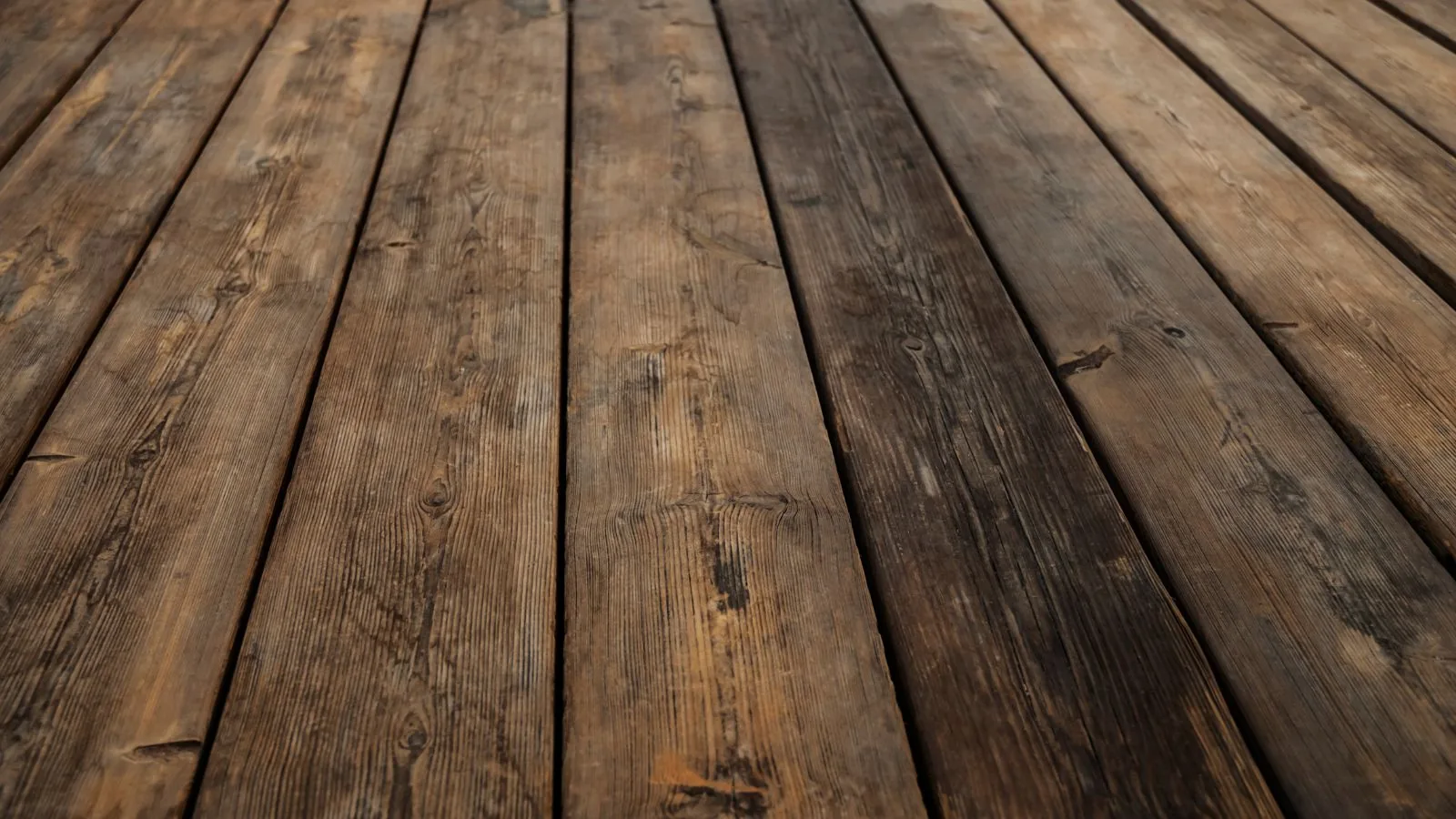
What water does to wood floors
Wood is a natural sponge. Boards absorb water through the surface and edges, swell, and then dry unevenly, which is why a wet floor can cup, with edges higher than the center, or crown, with the center higher than the edges. If the water sits long enough, boards can buckle off the subfloor, and finishes cloud and peel.
This page covers solid and engineered hardwood and laminate floors in East Haven, CT homes. Carpet and pad are a different problem and are on the carpet water damage page.
Safety first
Wet boards are slippery, and standing water near outlets or floor lamps can be energized. Turn off power to the room if you can do it safely, and do not use a household vacuum on water.
Can a wet hardwood floor be saved?
Often yes, if the drying starts quickly and the water was clean. Drying mats and low-profile air movers pull moisture out of the boards through the surface, and dehumidifiers keep the room air dry. If boards are already cupped, they may flatten as they dry, and sanding and refinishing comes later.
Floors that sat in contaminated water, or that were wet for many days, are often replaced. Laminate swells at the seams and rarely recovers, since it is mostly fiberboard.
Floor type, risk and likely outcome
| Floor | Water risk | Likely outcome |
|---|---|---|
| Solid hardwood | Cupping, crowning, finish damage | Often dried and refinished if caught early. |
| Engineered hardwood | Layer separation, edge swelling | Sometimes saved, sometimes replaced. |
| Laminate | Seam swelling, core swelling | Usually replaced |
| Hardwood over slab | Moisture trapped under the floor. | Needs drying under and above the boards. |
Refinishing after drying
After a floor is dry and flat, finish repair begins. Light cupping often improves as boards dry, and sanding can level what remains. Boards that are split, crushed or separated are replaced and blended. Refinishing is a flooring trade, and we recommend waiting for readings to show the boards have returned to their normal moisture level before anyone sands.
Sanding a floor that is still damp can lock in problems and cause gaps later, which is why drying and finishing are separate steps in the plan.
Floors over basements, slabs and crawl spaces
Wood floors over a crawl space or basement are exposed from below. A wet crawl space can raise humidity under the boards, and a slab leak can move moisture up from the concrete. Because the floor is part of a system, we check the underside when we can and address the source. See crawl space water damage for the space below.
Boards starting to cup? Call to schedule a moisture reading.
Call (833) 521-1033Protecting a wet wood floor
Remove standing water
Use towels or a wet vacuum, and avoid pressing on the boards.
Lift rugs and furniture
Anything on the floor traps moisture and stains the finish.
Do not seal it in
Avoid covering wet boards with plastic or towels that trap moisture.
Keep heat moderate
Very high heat can crack boards, and gentle air is safer.
Photograph
Capture the water, the floor and any early cupping.
Call (833) 521-1033
Dry-down plans depend on the species, thickness and subfloor.
The drying and repair sequence
The sequence is extraction, moisture mapping, targeted drying, monitoring and then repair. Drying mats are placed over boards and connected to a vacuum system that pulls moisture out, and dehumidifiers lower the humidity around them. Readings are taken until the boards match their normal moisture level.
Once dry, boards that are slightly cupped may be sanded and refinished. Boards that are warped, split or separated are replaced. Because the subfloor is part of the system, we check it as well, as described on the structural drying page.
Signs of hidden moisture under a wood floor
- A faint hollow sound or bounce underfoot.
- Dark stains between boards.
- A musty odor near the floor.
- Boards that feel cool or damp to the hand.
- Visible gaps opening as boards dry.
What affects the cost of hardwood floor repair
Species and thickness
Solid hardwood is more repairable than thin laminate.
Time wet
The longer the exposure, the lower the chance of saving it.
Water category
Contaminated water usually means replacement.
Area
Larger floors need more drying mats.
Refinishing
Sanding and refinishing are separate from drying.
Call (833) 521-1033 for a straight explanation of how the work would be priced.
Insurance and permits
Sudden water damage to flooring is often covered, but slow seepage may not be. Read your policy or ask your insurer. East Haven's permit guidance lists flooring as work that does not need a permit for one and two family homes, but check the details with the Building Department at 203-468-3216.
Questions about hardwood floor water damage in East Haven
Do you handle wood floor water damage after hours in East Haven?
Yes. Midnight calls are common for this kind of loss. Wood absorbs water quickly, so call (833) 521-1033 soon after the water appears.
Will my hardwood floor lie flat again?
Often, if it is dried promptly. Cupping can ease as boards dry, though some floors need sanding or replacement.
Can laminate be dried?
Rarely. Laminate swells at the seams and edges, and usually has to be replaced.
Do you refinish floors?
Refinishing is a separate flooring trade. We dry the floor and tell you what to expect.
Is the subfloor affected?
It can be. We check it with meters and dry it along with the boards.
Where we work
This work covers East Haven, New Haven and Woodbridge. If you live in Ansonia, West Haven and Hamden, call and we will tell you honestly whether we can reach you.
Further reading on hardwood floor water damage: EPA guidance on mold and moisture, Connecticut Insurance Department, National Weather Service New Haven and Long Island office. Industry practice for water work follows the ANSI/IICRC S500 standard and for mold work the S520 standard.
Floor boards lifting or cupping? Call to get them assessed.
Call (833) 521-1033