
Why walls and floors stay wet after the puddles are gone
If your walls feel cool, your floors feel soft or a musty smell is growing, moisture is still in the structure even if the water has been mopped up. Dry-looking drywall can hold water in its core, and wood and subfloor can stay wet for weeks. Structural drying is the process of removing that hidden moisture on purpose, with equipment, and measuring until it is gone.
The trade term is structural drying and dehumidification, and it is also called water mitigation. The homeowner version is simple: it is how a wet house actually gets dry.
Safety first
Drying equipment draws power and runs for days, so keep cords out of standing water and away from walkways. Do not block air movers, and keep children and pets away from the equipment.
How moisture mapping works
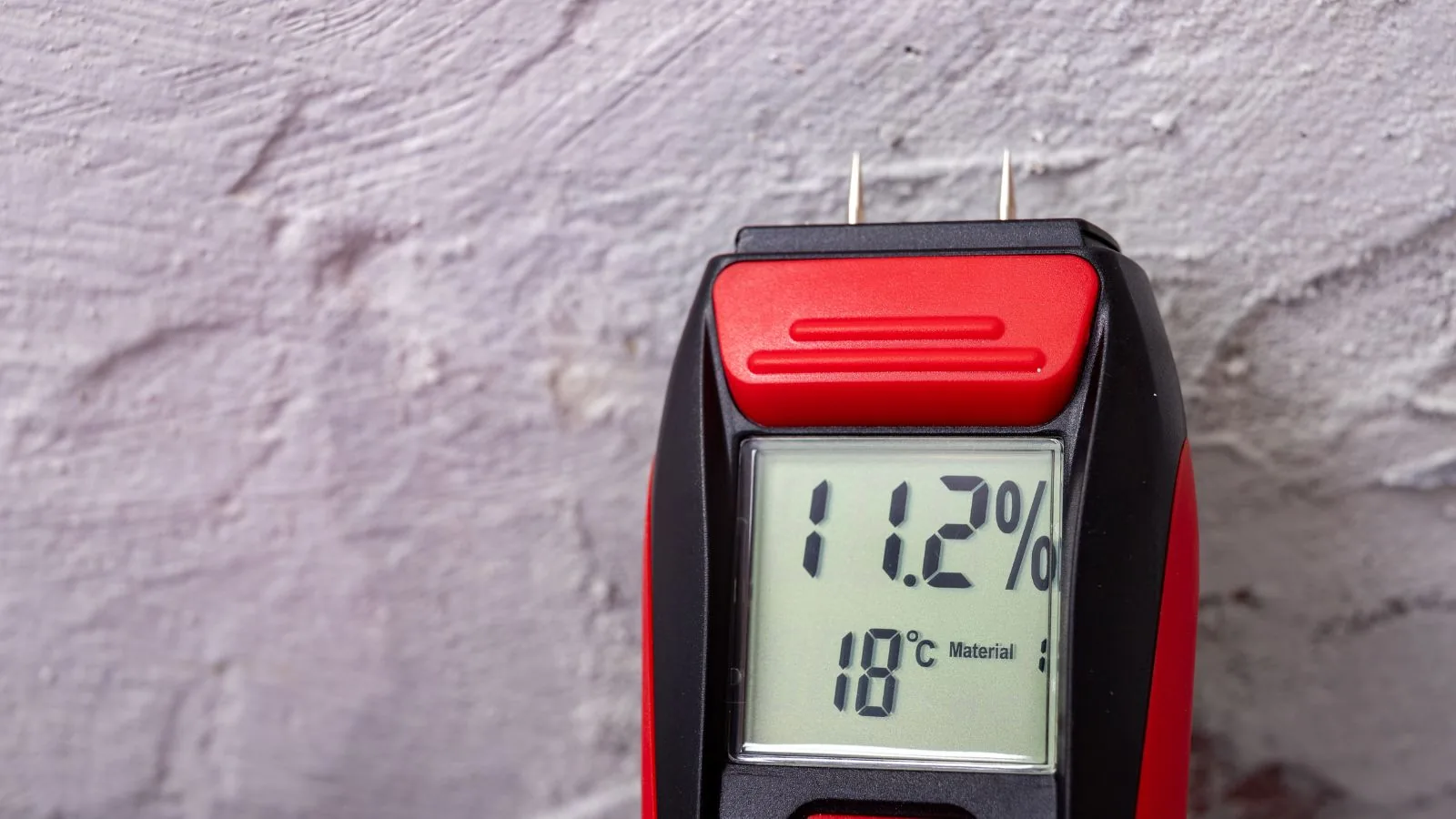
Drying starts with a map, not with equipment. Moisture meters read wet and dry points in drywall, wood and concrete. Thermal imaging shows cooler wet areas behind surfaces. A hygrometer records the temperature and humidity of the air, which determines how much moisture it can absorb. The readings establish the dry standard for that house, and they are recorded.
The map decides where equipment goes, and the same readings are repeated on later visits so you can see progress.
The drying equipment, in plain words
| Equipment | What it does | When it is used |
|---|---|---|
| Air movers | Blow air across wet surfaces to speed evaporation. | Floors, walls and carpet after extraction. |
| LGR dehumidifiers | Remove moisture from the air so it keeps absorbing more. | Whole-room drying, especially in humid weather. |
| Desiccant dehumidifiers | Dry air in low temperatures or tight spaces. | Cold basements and crawl spaces. |
| Drying mats and injectors | Pull moisture from hardwood and wall cavities. | Wood floors and wet wall bases. |
| Moisture meters and thermal cameras. | Find and track wet areas. | Before, during and after drying. |
Water categories and drying classes
Under ANSI/IICRC S500, water is rated by contamination into Categories 1, 2 and 3, and the drying effort is rated into classes by how much water the building holds and how absorbent the materials are. A small spill in one room is a lower class than a soaked house with plaster walls, hardwood and concrete, which is why two losses with the same water volume can have different drying plans.
The category decides what can be dried and what has to be removed. The class decides how much equipment and time are needed. Both are written into the scope, and both change as the readings change.
Why outside humidity matters
Drying depends on air that can absorb moisture. On a humid summer day on the Connecticut shoreline, ordinary air is already close to saturated, so it cannot do much drying without help. Dehumidifiers create dry air inside a closed area, and closing windows in the drying zone is part of the plan. In winter, cold air holds less moisture, and desiccant units help in cold spaces.
This is why homeowner fans and open windows often fall short, especially in a damp basement, and why monitoring matters more than guessing.
Ready to check your walls and floors? Call to schedule a moisture map.
Call (833) 521-1033What happens during a drying job
Extraction first
Standing water is removed before drying equipment is set.
Removal of wet, unsalvageable materials
Wet pad, insulation and soaked drywall are removed so the rest can dry.
Equipment placement
Air movers and dehumidifiers are placed from the moisture map.
Daily monitoring
Readings are repeated and equipment is adjusted.
Dry standard reached
Equipment is removed when readings match the dry standard.
Documentation
Readings and photos are kept for your insurer.
Water mitigation versus water restoration
Mitigation is the emergency work that stops the damage from growing, meaning extraction, removal and drying. Restoration is the rebuild, such as new drywall, paint and flooring. Mitigation is time-critical, and restoration is scheduled. The two are often confused, and the difference matters for scope and insurance.
Our work on this page is mitigation. The rebuild after drying is described on pages such as wall and drywall and hardwood floors.
What affects the drying cost
Materials
Dense materials like hardwood and plaster take longer to dry.
Area
More rooms means more equipment and more monitoring.
Water category
Category 2 and 3 water means removal first.
Days of drying
Equipment runs until readings reach target.
Humidity
High humidity slows evaporation without dehumidifiers.
Questions about price? Call (833) 521-1033 and we will explain it before work starts.
Moisture, mold and the clock
EPA guidance says damp materials should be dried within 24 to 48 hours to prevent mold. Mold does not need weeks to start, and wet materials in a closed wall cavity are a typical hiding place. If mold has already grown, the mold remediation page explains containment and removal under S520 practice.
Questions about structural drying in East Haven
Do you do structural drying after hours in East Haven?
Yes. A late call is treated like any other. Drying begins after extraction, and a crew can be sent to set equipment any hour.
How long does structural drying take?
It depends on the materials, the water category and how far the moisture spread. Readings, not a calendar, tell us when drying is done.
Can I dry my house with household fans?
Fans can help a small damp area but cannot dry wall cavities or subfloors. Dehumidifiers and monitoring are what make the difference.
Why are dehumidifiers running so long?
Wet materials release moisture slowly, and the dehumidifier keeps the air dry enough to pull more out. Equipment stays until readings reach target.
Will drying remove mold?
No. Drying stops moisture, which mold needs, but existing mold needs separate treatment. See the mold page.
Where we work
We take structural drying jobs in East Haven, New Haven and Woodbridge. Callers from North Haven, Wallingford and Branford ask us too, and the answer depends on the street.
Further reading on structural drying: Connecticut Insurance Department, National Weather Service New Haven and Long Island office, Connecticut Department of Public Health. Industry practice for water work follows the ANSI/IICRC S500 standard and for mold work the S520 standard.
Think moisture is still in the walls? Call to get it measured.
Call (833) 521-1033