
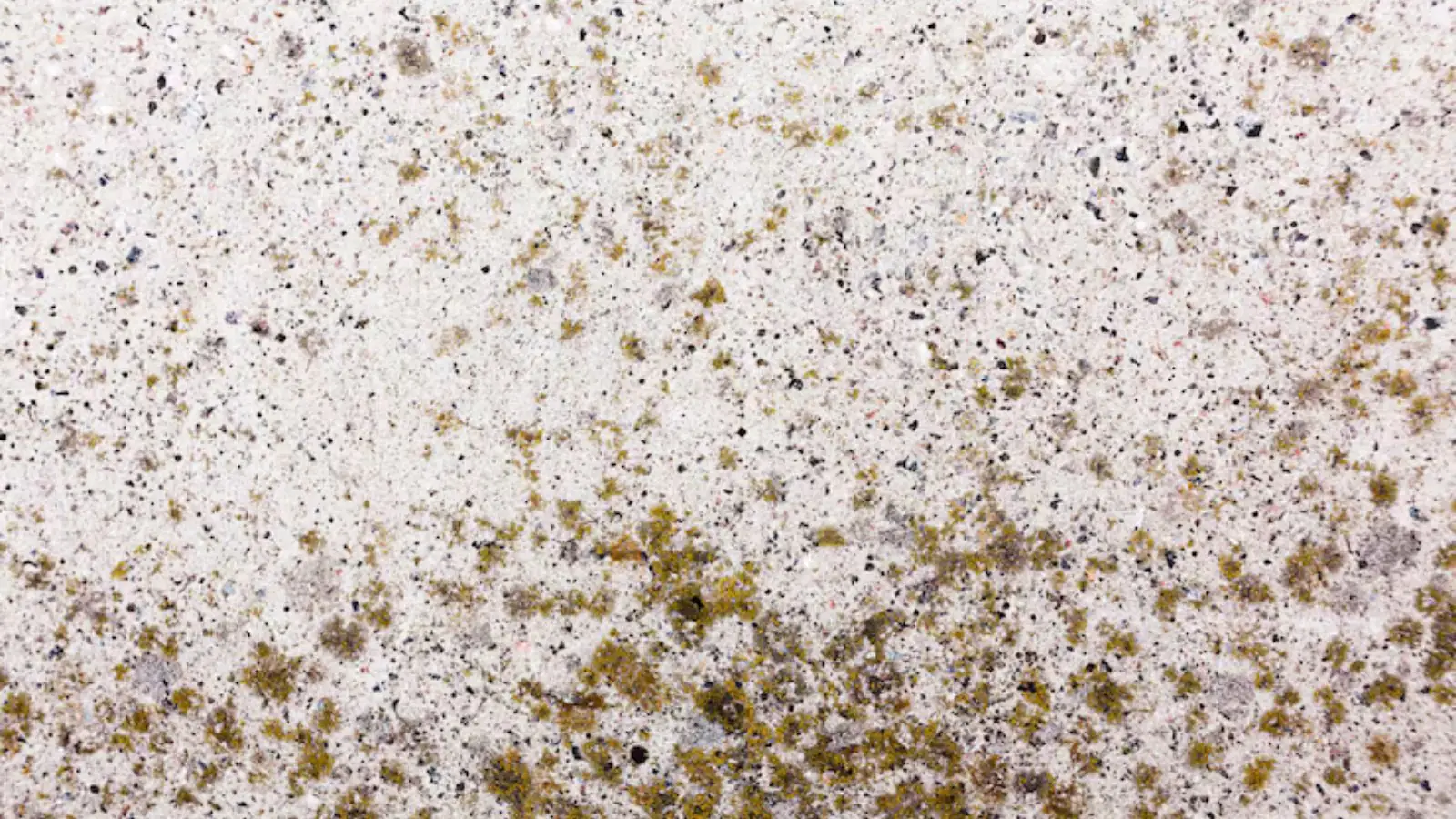
What mold remediation is, and what it is not
Mold remediation is the process of containing, removing and cleaning mold-affected materials, and fixing the moisture that allowed it. The published standard for the work is ANSI/IICRC S520, and you can ask any company whether its crews follow it. In East Haven, CT, most mold we see follows water damage, which is why this page sits next to our water pages.
Mold needs moisture. Without fixing the water source, removal is temporary. The first question is always where the moisture came from and whether it has been dried, which is covered on the structural drying page.
What to do if you see mold
Do not scrub, bleach or vacuum visible mold, since disturbing it spreads spores. Stop the water source, keep the area closed, and photograph it. Health questions belong to your physician, and we do not make health claims. If you are unsure whether a stain is mold, call us and describe it.
Testing can identify what is present, but the decision to remediate usually depends on moisture and visible growth. We do not diagnose or promise outcomes, and we tell you what we see.
The remediation process
| Stage | What happens | Why |
|---|---|---|
| Assessment | Locate moisture and visible growth. | Define what is affected. |
| Containment | Plastic barriers and negative air pressure. | Keep spores from spreading. |
| Removal | Affected porous materials cut out and bagged. | Mold in porous materials cannot be cleaned. |
| Cleaning | HEPA vacuuming and wiping of surfaces. | Remove residue |
| Drying | Dehumidification to target readings | Remove the moisture mold needs. |
| Documentation | Photos and readings | Record the work. |
How mold and moisture connect, step by step
Mold spores are always present in air and need a few things to grow: moisture, a food source such as drywall paper or wood, and time. Remove any of these and growth stops. Moisture is the only one we can control in a house. A wet wall cavity, a damp carpet pad or a basement with high humidity gives mold what it needs.
This is why EPA guidance stresses drying wet materials within 24 to 48 hours. If a house has been wet for longer, or if there is a smell and no visible source, moisture mapping can find the hidden wet spot.
Questions to ask any mold contractor
These apply to any company you consider, including us.
- Do you follow ANSI/IICRC S520, and how?
- Will you fix or identify the moisture source as part of the plan?
- How will you contain the work area?
- What will be removed, and what will be cleaned?
- Call (833) 521-1033 and we will explain the scope first.
Seen mold or smelled musty air? Call to describe it.
Call (833) 521-1033Where mold hides after water damage
- Behind baseboards and inside wall cavities.
- Under carpet pad and flooring.
- In attic insulation after roof leaks.
- On the back of cabinets after sink leaks.
- In basements and crawl spaces with high humidity.
Wording we use, and wording we avoid
We do not promise that mold will not come back, because mold can return whenever moisture does. We do not make health claims, and we do not say all materials can be saved. We say what is affected, what comes out, and what moisture work follows. If you are asking whether your state licenses mold work, ask the state agency that oversees contractors before hiring anyone.
For basement mold and mold-related smells, see our guides on drying and basement water damage.
What affects mold remediation cost
Area affected
Larger areas need more containment and removal.
Materials
Drywall and insulation come out, wood can sometimes be cleaned.
Moisture source
Fixing the water source is separate work.
Containment
Negative air and barriers add equipment and time.
Rebuild
Drywall, paint and flooring are separate.
Call (833) 521-1033 and ask for the scope in writing.
Insurance and mold
Coverage for mold varies widely. Some policies cover mold that results from a covered water loss, and others limit or exclude it. Read your policy or ask your insurer, and photograph visible mold before any work begins.
Questions about mold remediation in East Haven
Do you handle mold calls after hours in East Haven?
The line is open 24/7, though mold is usually not an emergency like active water. Call (833) 521-1033 and describe the situation.
Can I bleach mold myself?
We do not recommend it. Bleach does not remove mold from porous materials, and scrubbing can spread spores.
Do you test for mold?
We assess moisture and visible growth. If you want testing, ask us what is appropriate for your situation.
Will mold return after remediation?
If moisture returns, mold can too. Fixing and drying the water source is part of the job.
Does your state license mold work?
Ask the state agency that oversees contractors whether Connecticut licenses mold work before you hire.
Where we work
Most mold remediation requests come from East Haven, New Haven and Woodbridge. A smaller number come from North Haven, Wallingford and Branford, and we check each address before promising anything.
Further reading on mold remediation: Town of East Haven, EPA guidance on mold and moisture, Connecticut Insurance Department. Industry practice for water work follows the ANSI/IICRC S500 standard and for mold work the S520 standard.
Mold on a wall or ceiling? Call to talk it through.
Call (833) 521-1033