
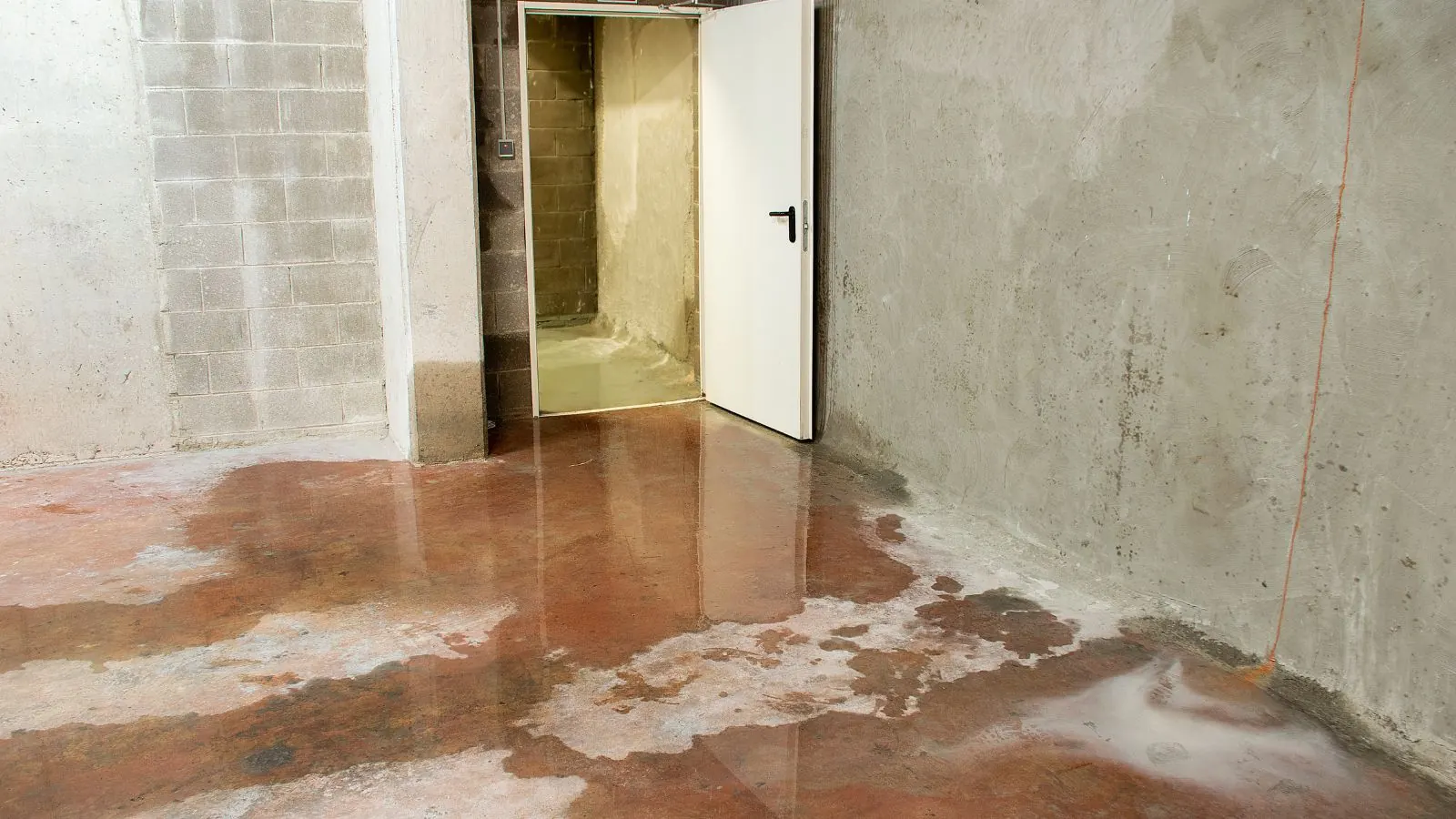
Flood damage is a contaminated water emergency
Flood water is not the same as a leaking pipe. It arrives from the outside, carrying silt, bacteria and whatever it crossed, so it is treated as contaminated under ANSI/IICRC S500, which classes it as Category 2 or 3. That changes the work in East Haven, CT: porous materials are usually removed rather than dried, and the crew wears protective gear.
This page covers rising water from coastal storm tide, river overflow and surface runoff. Water that enters through the roof or walls during a storm is on the storm water damage page, and a failed sump or seepage is on the basement page.
East Haven flood history, from the record
The National Weather Service documents several East Haven events. During Irene on August 28, 2011, several beachfront homes on Cosey Beach Avenue had extensive damage from storm surge. Farm River flooding also closed the corner of Coe Road, Hemingway Road and Short Beach Road. During Sandy on October 29, 2012, East Haven and Milford had the most widespread major damage on the southern New Haven County coast.
The practical point is that East Haven has real flood exposure, but it does not apply to every address. The town adopted five new FEMA flood map panels for parts of town along the Farm River in 2017, so check your address on the FEMA Flood Map Service Center or call the Town Engineer at (203) 468-3250.
Safety before cleanup
Flood water can hide electrical and structural hazards.
Stay out if power may be live
Do not enter standing water if outlets, panels or appliances may be energized. Call the utility.
Do not touch the water
Avoid contact with skin, and never let children or pets wade in it.
Document before you move
Photograph the high-water line and affected rooms.
Discard food and soft goods
Items touched by flood water are generally not salvageable.
Call the 24/7 line
Tell the dispatcher how deep the water was and how long it stood.
Private wells need testing
If you use a well, Connecticut DPH says to treat flooded wells as contaminated until disinfected and tested.
What is usually removed and what can be saved
Decisions follow the S500 water category and how long materials stayed wet.
| Material | Typical decision after flooding | Reason |
|---|---|---|
| Carpet and pad | Removed | Porous and holds contaminants. |
| Drywall and insulation below the water line. | Removed | Wicks water and traps silt. |
| Sealed concrete and tile | Cleaned and dried | Non-porous, can be disinfected. |
| Hardwood and laminate | Often removed | Swells and cannot be reliably disinfected. |
| Solid wood framing | Cleaned and dried | Dries with equipment and monitoring. |
The cleanup sequence after flood water
Flood cleanup follows a fixed order. Extraction removes the water and the silt it left. Then affected porous materials are pulled out, such as carpet, pad, low drywall and insulation, and the structure is cleaned and sanitized before any drying equipment is set. Drying a house that still holds contaminated materials only spreads the problem, so removal comes first.
Contents are sorted into what can be cleaned and what cannot. Non-porous items such as glass and sealed metal can usually be cleaned, while upholstery, mattresses and particleboard furniture generally cannot. Photograph items before they leave the home, since your insurer may ask.
Questions to ask any company before work starts
These are fair questions for any restoration company, ours included.
- Do your crews work to ANSI/IICRC S500 for contaminated water?
- What will be removed, and what will you try to dry in place?
- How will moisture readings be recorded and shared with me?
- Will scope and price be explained before work starts?
- What is your plan if the loss turns out larger than it looks?
Ready to scope the flood loss? Call and describe the water line.
Call (833) 521-1033What drives the cost of flood cleanup
Water height and duration
Higher and longer means more removal and drying.
Category of water
Contaminated water needs protective gear and disposal.
Finished versus unfinished space
Finished basements hold more materials to remove.
Contents and cleaning
Salvageable items need cleaning and documentation.
Rebuild scope
Replacing walls, floors and trim is separate from mitigation.
Call (833) 521-1033 and we will tell you what we find before any work begins.
Flood insurance works differently
The Connecticut Insurance Department states that damage from flooding is excluded from homeowners, condo and renters policies, so flood coverage must be bought separately through the National Flood Insurance Program or a private insurer. NFIP policies generally have a 30-day waiting period before they take effect.
Photograph the damage, keep receipts and do not throw out damaged property until an adjuster has reviewed it. We provide moisture readings and an itemized scope to support the claim.
Questions about flood damage cleanup in East Haven
Do you handle flood emergencies at night or on weekends in East Haven?
Yes. The line is staffed around the clock, and flooding does not wait for business hours. Stay out of any water near electrical equipment and call (833) 521-1033.
Is flood water considered contaminated?
Yes. Flood water is treated as Category 2 or 3 under ANSI/IICRC S500, so affected porous materials are usually removed and the crew works with protective gear.
How do I know if my address is in a flood zone?
Search your address on the FEMA Flood Map Service Center or call the East Haven Town Engineer at (203) 468-3250. Do not assume a neighbor's zone applies to you.
Does homeowners insurance cover flood damage?
Generally no. Flood is excluded and needs a separate flood policy. Storm damage other than flooding may be covered, so ask your insurer what applies to your loss.
Can you clean up after a flood on the shoreline?
Yes. Shoreline areas such as Cosey Beach and Momauguin have their own page content. See Cosey Beach for how flood history there shapes the work.
Where we work
For flood damage cleanup, our calls come mostly from East Haven, New Haven and Woodbridge. Neighbors in North Haven, Wallingford and Branford sometimes call as well, so ask about your address.
Further reading on flood damage cleanup: Connecticut Department of Public Health, Town of East Haven, EPA guidance on mold and moisture. Industry practice for water work follows the ANSI/IICRC S500 standard and for mold work the S520 standard.
Flood water inside right now? Call the 24/7 line.
Call (833) 521-1033