
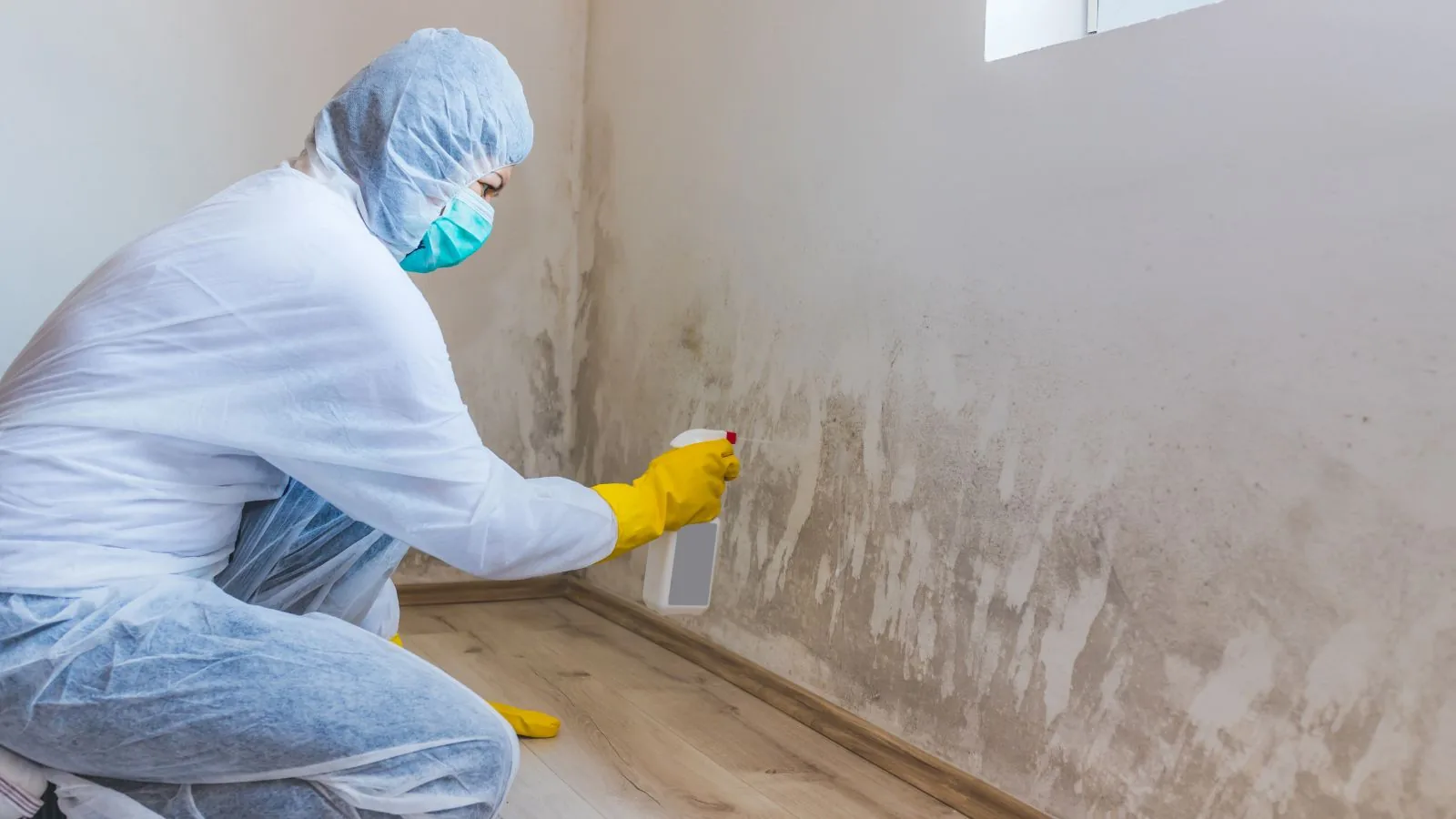
Why we do not quote a number here
Any page that gives a single price for basement mold is guessing. The cost depends on how much material is affected, how it is built, whether water is still entering and how much has to be rebuilt afterward. We have not sourced a reliable local price range, so we do not publish one.
What we can do is explain the factors and teach you how to read an estimate, so that when you collect quotes you are comparing the same work.
What changes the scope
These factors tend to matter most.
Area and height of growth
A small patch on one wall is a different job than growth across joists, walls and floor.
Material affected
Hard surfaces can often be cleaned. Porous materials such as drywall and insulation are usually removed.
Moisture source
If water is still entering, drying and repair come first and add to the scope.
Containment needs
Plastic barriers, negative air and protective gear add labor and equipment.
Access and layout
Finished basements with tight spaces, stored items and low ceilings take longer.
Rebuild after removal
Replacing drywall, trim, flooring and paint is often a separate line from the mold work.
Mold work versus rebuild
Many people are surprised that the biggest part of a bill is not the mold removal. Once wet material is out, something has to replace it. A good estimate separates mitigation and removal from reconstruction, so you can see which part you are paying for and decide who does each.
That separation also helps if insurance is involved. Insurers often handle the emergency work and the rebuild differently, and covered mold limits can be lower than other water losses.
Insurance and payment timing
If a covered water loss caused the mold, your insurer may pay for part of the work, and it may set a limit on mold. Ask for that limit in writing before work starts, and keep the mold line separate from the water line in your own records. A restoration company can document the scope, but the coverage decision belongs to the insurer.
Ask for a payment schedule tied to finished stages. The Connecticut Insurance Department advises against paying the full amount upfront, and a staged schedule protects both sides.
What happens if the source is not fixed
Mold work done while water still enters is money spent twice. A good estimate says who will fix the source, whether that is a plumber, a gutter contractor or a drainage specialist. If the moisture comes from groundwater, remember that restoration is not waterproofing, so you may need a separate trade for that part.
Ask each company how it will confirm the area is dry before anything is rebuilt, and ask what readings it will give you at the end.
Ways to keep the scope smaller
The cheapest mold job is the one that stays small. Acting on a damp spot early, fixing a leak the week you find it and keeping humidity down all keep the affected area limited. A wet basement left for a month can turn a one-wall problem into a whole-room problem.
If a flood or leak has just happened, drying quickly keeps growth from starting at all. The EPA advises drying wet materials within 24 to 48 hours.
What to do with several quotes
Lay the estimates side by side and compare scope before price. One may include containment and moisture readings while another leaves them out, and a lower number that leaves out important work is not actually lower. Ask each company to explain the differences in plain language.
Do not choose on price alone, and do not choose the one who rushes you. A steady explanation of what will be done and how it will be verified is a better sign than a quick number.
What a useful written estimate should show
| Item | Why you want it |
|---|---|
| Areas and square footage affected. | Shows what the price covers. |
| Materials to be removed and replaced. | Separates demolition from rebuild. |
| Containment and equipment plan | Shows how spread will be controlled. |
| Moisture readings before and after. | Proves the drying goal was met. |
| Exclusions | Shows what is not included. |
| Payment terms | Lets you avoid large upfront payments. |
Questions to ask any company
Ask who does the work and who supervises it. Ask what standard guides the process, which in this industry is commonly the ANSI and IICRC S520 mold remediation standard. Ask how they will confirm that the job is finished and what they do if the moisture source is not fixed.
Be wary of anyone who promises results without seeing the space, quotes a price over the phone or asks for full payment before starting. For related work, see mold remediation and basement water damage restoration.
Checking contractors in Connecticut
The Connecticut Insurance Department advises homeowners to get written estimates, avoid paying the full amount upfront and verify licensing and registration with the Department of Consumer Protection before signing. That advice applies to mold and water work as much as roofing.
Whether a particular mold trade is licensed in Connecticut is something to ask the Department of Consumer Protection directly, and we do not state it here. Source: the Connecticut Insurance Department and the Department of Consumer Protection.
Further reading on cost to remediate basement mold: Connecticut Insurance Department, National Weather Service New Haven and Long Island office, Connecticut Department of Public Health. Industry practice for water work follows the ANSI/IICRC S500 standard and for mold work the S520 standard.
Questions homeowners ask
Does insurance pay for basement mold in East Haven?
It depends on the cause and the policy. Mold that follows a covered sudden water loss may be covered up to a limit, while mold from long-term moisture is often excluded. Ask your insurer.
Why do two mold quotes differ so much?
Usually the scope differs. One may include containment, rebuild or drying that the other leaves out. Compare line by line.
Can I pay a deposit?
The Connecticut Insurance Department advises against paying the full amount upfront. Ask about a payment schedule tied to work completed.
Is testing included in the price?
Not necessarily. Ask what is included and whether testing is needed for your case.
Do you quote jobs in other towns?
Yes, including New Haven and Woodbridge.
Want the scope explained in plain language? Call the 24/7 line.
Call (833) 521-1033