
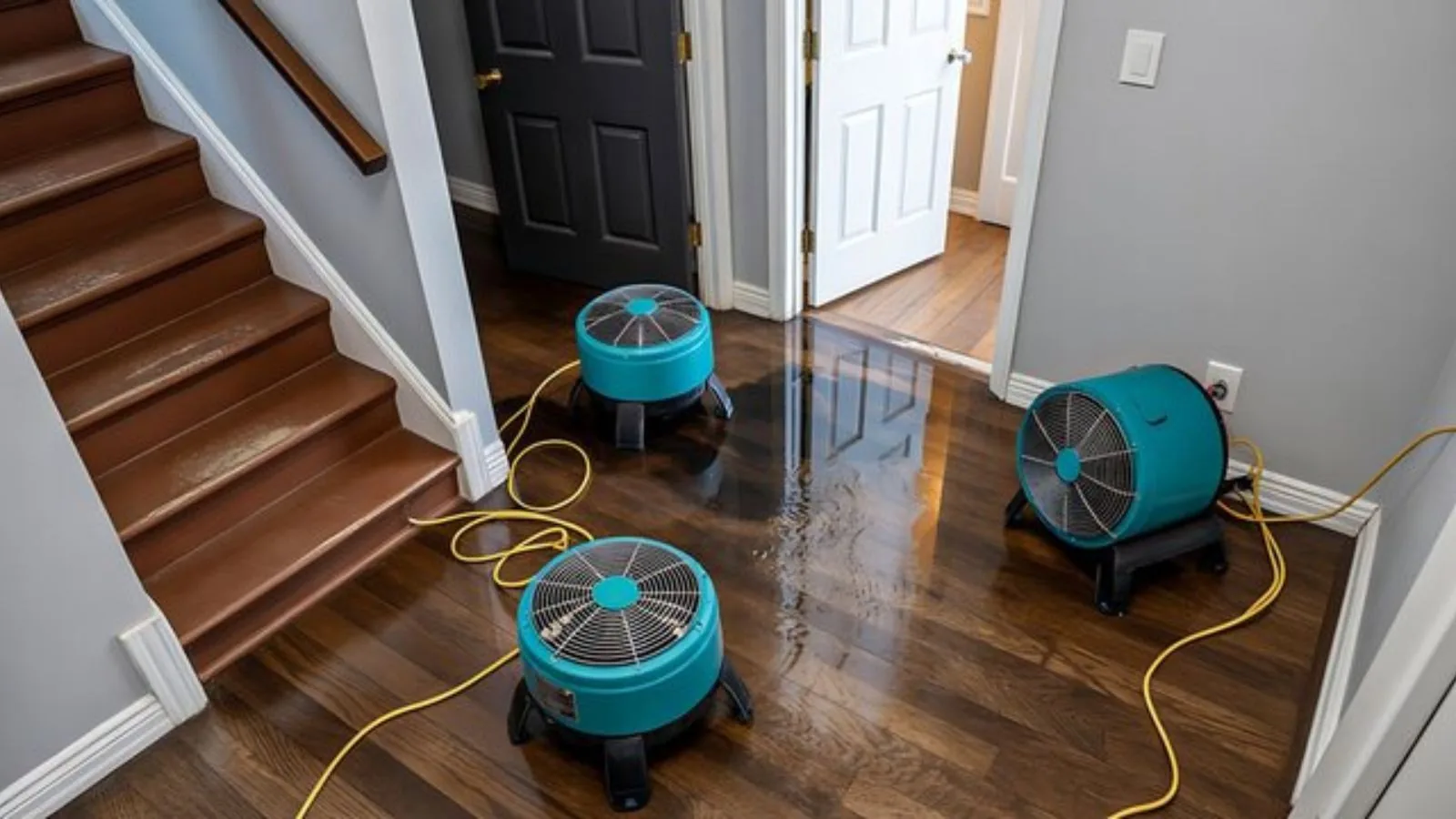
Why water damage matters in a sale
Buyers and inspectors look for stains, odors, soft floors and mold, and unresolved water damage can lower offers or end a sale. The better question for a seller is usually whether to repair, disclose or sell as is, and what each choice costs in time, money and risk.
This guide is general information, not legal advice. For decisions about disclosure and contracts, a Connecticut real estate attorney is the right person to ask.
Three common seller choices
| Choice | What it involves | Main trade-off |
|---|---|---|
| Repair before listing | Fix the source, dry, replace materials, keep records. | Costs time and money, but gives buyers fewer questions. |
| Disclose and adjust the price. | Describe the damage and the work done, or still needed. | Faster, but buyers may ask for credits or walk away. |
| Sell as is | Sell with known issues, usually to an investor. | Simplest, often at a lower price. |
Whichever you choose, keep the paperwork that shows what happened and what was done.
What the paperwork should show
A buyer feels more comfortable when the seller can show a clear history. That means the date of the loss, what caused it, who dried and repaired it and the moisture readings that showed the structure was dry. Invoices, photographs and drying logs are useful, and so are permits for any plumbing or electrical work.
If the cause was fixed, say so with proof. A repaired pipe with a receipt is much less worrying than a stain nobody can explain.
Timing a repair against a sale
The right order depends on how soon you need to sell. If the house is not yet listed, repairing first lets you present a clean record. If you are already under contract, a written scope and a credit negotiated through your agent may be the faster path.
Whichever route you pick, avoid cosmetic cover-ups. A buyer who finds a hidden stain after closing may have claims against a seller, and an attorney can explain your exposure.
Working with your agent and inspector
Tell your listing agent about the damage early, so the agent can plan the marketing and the disclosure. Ask whether the buyer's inspector is likely to use a moisture meter, and consider having an independent inspection done first so you know what they will find.
Documents from the repair, such as drying logs, photographs and invoices, belong in the folder you hand to the buyer's agent.
How inspectors and buyers react
A home inspector will look for stains, soft spots, and signs of past leaks, and may use a moisture meter to check suspect areas. A buyer's agent may ask for repair records and for proof that the problem was fixed. Dry readings and clear documentation answer most of those questions on the spot.
Fresh paint over a stain tends to draw attention, not away from it. It is more convincing to say what happened, show what was done and let the readings speak.
Pricing and negotiation
If you sell with known damage, the price conversation usually centers on cost to repair and the uncertainty it creates. A written scope from a restoration company gives buyers a number to work from, which is better than a guess. Some sellers offer a credit and some repair first, and each approach has risks.
Talk to your agent about how similar homes in East Haven have sold, and ask an attorney about disclosure language before you sign anything.
Steps before you list a house with past water damage
- Fix the source and confirm it with a plumber or contractor.
- Have the structure dried and moisture readings recorded.
- Replace damaged materials rather than painting over them.
- Gather invoices, photos and permits in one folder.
- Complete the Connecticut condition report honestly.
- Ask your attorney or agent how to describe the history.
Mold and odor
A musty smell can alarm a buyer even when the problem is minor. If you suspect mold, address the cause and the material. See our guides on mold remediation and water extraction for how that work is done, and expect an inspector to look at the same areas.
Do not cover stains or odors with paint or fragrance. It rarely works, and it can look worse if discovered later.
Connecticut condition report and the $500 credit
Connecticut General Statutes section 20-327c requires most sellers of residential property to provide a written residential condition report. If the seller does not furnish it, the buyer is entitled to a credit of $500 at closing. The statute also says that providing or not providing the report does not excuse a seller from disclosing a known defect.
East Haven buyers will also check the FEMA flood map, and the town says its Town Engineer can be reached at (203) 468-3250 about flood zone questions. Sources: Connecticut General Statutes 20-327c and the Town of East Haven website.
Further reading on selling a house with water damage: Town of East Haven, EPA guidance on mold and moisture, Connecticut Insurance Department. Industry practice for water work follows the ANSI/IICRC S500 standard and for mold work the S520 standard.
Questions homeowners ask
Do I have to disclose past water damage when selling in East Haven?
Connecticut law requires a residential condition report for most sales, and known defects should be disclosed. Ask a Connecticut real estate attorney how it applies to your situation.
What happens if I do not give the buyer the condition report?
Under section 20-327c, the buyer is entitled to a $500 credit at closing, and the seller is not excused from disclosing known defects.
Should I repair water damage before listing?
Often it helps, but the answer depends on the damage, the timeline and your finances. Get a written scope so you can compare repair and sell-as-is.
Can a restoration company supply paperwork for a buyer?
We can provide drying logs, photos and invoices for work we did. We do not give legal advice.
Do you work near New Haven too?
Yes, including New Haven and Woodbridge.
Need damage dried and documented before a sale? Call the 24/7 line.
Call (833) 521-1033