
The order matters
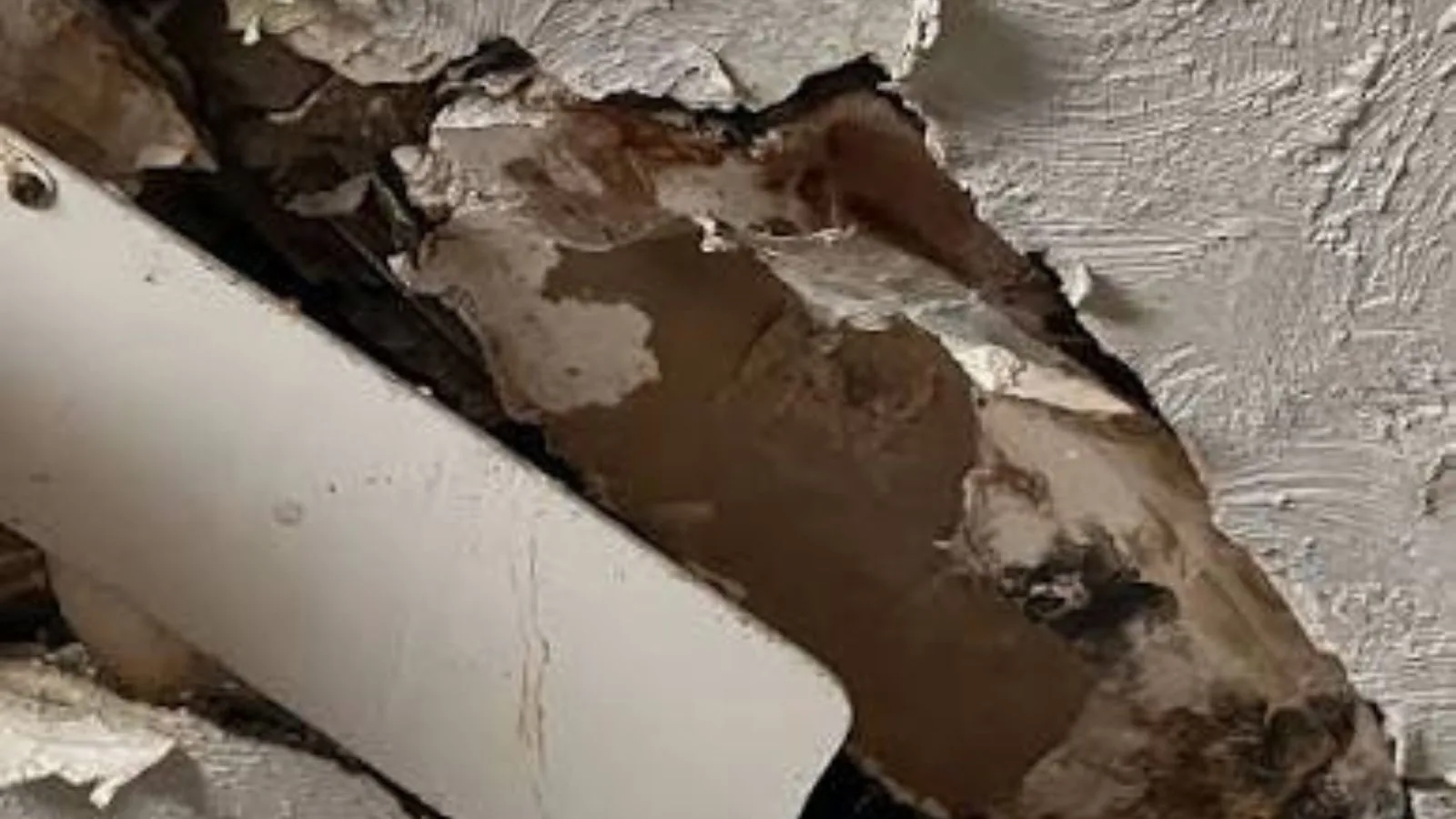
People often wait for the insurance company before doing anything, and then the water keeps working on the house. Others start cleanup so fast that the adjuster sees nothing. A better order is to make the home safe, stop the water, document, notify your insurer, protect the property, and only then begin repairs.
This guide assumes the loss may be covered. Whether it is depends on the policy, and the first call to your insurer will tell you more.
Ten steps, in order
- Make the area safe. Keep people away from electrical hazards and contaminated water.
- Stop the source if you can do it safely, such as closing the main valve.
- Photograph and video the damage, wide and close, before anything is moved.
- Notify your insurer or agent as soon as you can, since most policies have reporting deadlines.
- Take reasonable steps to protect the property from more damage, and keep every receipt.
- Keep damaged items until the adjuster has reviewed them, unless they are a hazard.
- Make a list of damaged belongings with approximate age and value.
- Keep a record of extra living expenses if you cannot stay home.
- Get a written estimate before repairs begin, and do not sign contracts before the adjuster has examined the damage.
- Do not pay a contractor the full amount upfront, and do not sign over your settlement check.
Why these steps come from the state
These points are not our invention. The Connecticut Insurance Department advises homeowners to report claims quickly, document damage with photos and an inventory, protect the property and keep receipts. It also says not to dispose of property until an adjuster has reviewed it, to get written estimates, to avoid upfront full payment and to verify contractor licensing and registration with the Department of Consumer Protection.
If you cannot reach agreement with your insurer, the department says it can help you consider appraisal, arbitration or mediation.
Talking to the adjuster
The adjuster works for the insurer, and the conversation goes better when you are organized. Have your photos, your list of damaged items and your receipts ready. Walk the adjuster through the loss in the order it happened, and show the moisture readings if a restoration company took them.
Take notes during the visit, including the adjuster's name and what was said about next steps. Ask when you can expect a written decision, and follow up in writing if you hear nothing.
If the payout seems low
- Ask for the decision and the calculation in writing.
- Compare it against your own scope and photographs.
- Ask whether any damaged areas were left out.
- Request a re-inspection if hidden damage was found later.
- Contact the Connecticut Insurance Department if you cannot reach agreement.
Mistakes that weaken a claim
Most claim problems come from a few repeated habits. People throw away damaged materials before they are photographed, sign a contract before the adjuster has seen the loss, or wait weeks to report a leak they found early. None of these is a disaster on its own, but together they give the insurer less to work with and you less to point to.
The remedy is simple. Photograph first, report promptly and ask questions before you sign. If you are unsure whether a step is allowed, a short call to your agent costs nothing.
Mitigation versus repair
Insurers often separate the emergency work from the rebuild, and so should your paperwork.
| Phase | Typical work | What to keep |
|---|---|---|
| Mitigation | Extraction, tear-out of wet materials, drying equipment, monitoring. | Moisture log, equipment record, photos, invoice. |
| Repair | Drywall, flooring, paint, cabinetry and trim. | Written scope, estimate, material list. |
| Contents | Cleaning, pack-out or replacement of belongings. | Inventory with age and value, receipts. |
| Living expense | Hotel or rental if the home cannot be used. | Receipts and dates. |
Keeping these separate makes it easier for an adjuster to follow the file and for you to see what is still outstanding.
What to document, and who usually needs it
| Item | Why it matters | Who asks for it |
|---|---|---|
| Photos and video of damage. | Shows the extent and cause. | Adjuster |
| Moisture readings and drying log. | Shows the water spread and drying progress. | Adjuster, restoration company. |
| Receipts for emergency steps | Reimburses reasonable protective costs | Adjuster |
| Written scope of work | Separates mitigation from rebuild | Adjuster, homeowner |
| Contents list | Supports a contents claim | Adjuster |
| Notes on dates and times. | Shows when the loss began and when you acted. | Adjuster |
What a restoration company can and cannot do for a claim
A restoration company can stop the damage from growing, record moisture readings and photographs, and provide an itemized scope. It cannot decide your coverage, negotiate on your behalf or promise approval. Any company that tells you your claim will be approved, or that you will pay nothing, is making a promise it cannot keep.
For help understanding what a scope contains, see our guide to reading a scope of work, and for the work itself see structural drying and water extraction.
Sources for this guide
Everything in the step list above that refers to reporting, documenting, receipts, estimates, upfront payment and contractor verification comes from the Connecticut Insurance Department's published guidance for homeowners after storm and flood damage. The department also publishes a flood insurance fact sheet that explains that flooding is excluded from homeowners policies and that NFIP policies have a 30-day waiting period.
For East Haven losses near the shore, the National Weather Service New Haven impacts record shows repeated flooding on Cosey Beach Avenue in December 2010, August 2011 and October 2018, which is a reminder to check whether you hold flood coverage before you need it.
Further reading on water damage insurance claim steps: Connecticut Insurance Department, National Weather Service New Haven and Long Island office, Connecticut Department of Public Health. Industry practice for water work follows the ANSI/IICRC S500 standard and for mold work the S520 standard.
Questions homeowners ask
How soon should I report an East Haven water damage claim?
As soon as you can, since policies often have reporting deadlines. Call your insurer or agent, then follow up in writing and keep the claim number.
Should I hire a contractor before the adjuster visits?
You can start emergency protection and drying. Get a written estimate before repairs begin and do not sign contracts before the adjuster has examined the damage.
What if my insurer and I disagree?
The Connecticut Insurance Department says it can help you consider appraisal, arbitration or mediation.
How do I check a contractor?
The department advises checking licensing and registration with the Department of Consumer Protection.
Do you handle claims in nearby towns?
Yes. We serve New Haven and Woodbridge as well, and the documentation steps are the same.
Need moisture readings and photos for your claim? Call the 24/7 line.
Call (833) 521-1033